
 Order now and receive in 1 - 3 days
()
Order now and receive in 1 - 3 days
()

Supplybunny standard delivery
available
View details
The seller issues quotations before purchase.
What is this?
available
View details
The seller issues quotations before purchase.
What is this?
available
View details
The seller issues quotations before purchase.
What is this?
Seller delivery
available
View details
Supplybunny standard delivery
available
View details
Min. packing size
1
pkt(s)
Description
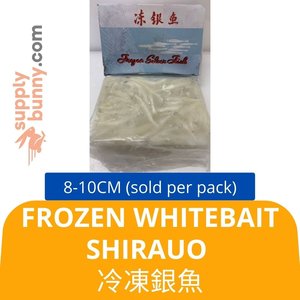
Frozen Whitebait Shirauo 8–12cm – Sold per Pack (Shirauo/白魚) – Premium Japanese Whitebait for Malaysian HORECA
Frozen Whitebait Shirauo (shirauo/白魚), known as Japanese icefish or whitebait, is a highly prized small fish species deeply embedded in Japanese culinary tradition. These translucent, delicate fish — measuring 8–12cm in length — are harvested from freshwater and brackish water environments across Japan and are renowned for their mild, sweet flavour and ethereal appearance. Supplied per pack by Senri (M) Sdn Bhd, Malaysia's trusted importer of authentic Japanese specialty seafood, this product brings a rare and authentic Japanese ingredient to Malaysian HORECA operators seeking to differentiate their menus with genuine seasonal Japanese fish.
1. What is Frozen Whitebait Shirauo (白魚)?
Shirauo (白魚), literally "white fish," refers to the Japanese icefish (Salangichthys microdon) — a small, translucent species that is distinct from the generic "whitebait" term used in Western cookery. In Japanese cuisine, shirauo is celebrated for its near-transparent body, delicate texture, and subtle sweet oceanic flavour. They are consumed whole, including bones, as the small size renders them entirely edible. At 8–12cm, these are medium-sized shirauo, ideal for tempura, kakiage (mixed tempura fritter), and light sauté preparations.
2. Product Category
Frozen specialty small fish / Japanese seasonal freshwater/brackish fish. A premium niche ingredient primarily found in high-end Japanese restaurants and specialty Japanese food suppliers.
3. Who Is This Product For?
This product is ideal for: omakase and kaiseki chefs seeking authentic Japanese seasonal ingredients, high-end Japanese restaurant operators building unique menus, Japanese hotel F&B outlets aiming for seasonal authenticity, specialty Japanese food retailers and online food suppliers, and culinary educators and cooking class operators focused on Japanese techniques.
4. Cuisine Type and Culinary Applications
Shirauo is a celebrated ingredient in Japanese haute cuisine and traditional home cooking. Key preparations include: Shirauo no Tempura (白魚の天ぷら) — whole shirauo in a light tempura batter, served with tentsuyu dipping sauce; Shirauo Kakiage (白魚かき揚げ) — shirauo mixed tempura fritter, a popular topping for udon or served as a teishoku side; Shirauo no Odorigui (白魚の踊り食い) — "dancing whitebait," a traditional raw eating preparation (for adventurous menus); Shirauo Gohan — shirauo mixed into warm seasoned rice; Shirauo no Tamago Toji — shirauo simmered with egg in dashi broth; Shirauo as a garnish atop chilled soba or cold dishes for visual impact.
5. Commercial Value for Malaysian HORECA
Shirauo is exceptionally rare in the Malaysian foodservice market, making it a powerful differentiator for operators who can source and serve it. Its striking translucent appearance creates immediate visual impact and generates social media interest. Positioning shirauo as a "rare Japanese seasonal fish" on an omakase menu or as a limited-time offering justifies premium pricing and creates urgency.
6. How to Use (Preparation Methods)
Thaw overnight in a refrigerator at 0–4°C. Never thaw at room temperature. Handle gently as shirauo is delicate and breaks easily. Pat dry before use. For tempura: prepare a chilled, light tempura batter; coat shirauo carefully and deep-fry at 170–175°C for 1.5–2 minutes until just crispy. Drain on paper and serve immediately. For kakiage: combine with thinly sliced vegetables, bind loosely with batter, and fry as flat fritters. For simmered dishes: add directly to simmering dashi with seasoning, cook for 1–2 minutes until just opaque.
7. Serving Size
For tempura: 5–8 pieces per appetiser serve. For kakiage: 30–50g per fritter. For garnish applications: 5–10 pieces per dish.
8. Yield
Pack weight to be confirmed with supplier. Assuming a standard 500g pack, estimated usable yield is 90–95% (minimal trimming required as fish are eaten whole). At 40g per appetiser serve, a 500g pack yields approximately 12–13 portions.
9. Revenue Potential
As a premium specialty ingredient, shirauo commands high menu prices. A shirauo tempura appetiser can sell for RM 20–35 per serve in an upscale Japanese restaurant. At 12–13 portions from a 500g pack, gross revenue potential is RM 260–455 per pack.
10. Margin Example
Assuming a pack cost of approximately RM 80–120 per 500g pack, and a selling price of RM 25 per tempura portion across 12 portions (RM 300 revenue), gross margin is approximately RM 180–220, representing 60–73% GP before labour and overheads. Premium positioning on an omakase menu with higher selling prices can push margins significantly higher.
11. Commercial Positioning
Position shirauo as an "authentic Japanese seasonal rarity" — one of the few genuine Japanese icefish available in Malaysia. Use Japanese name (shirauo/白魚) prominently in menu descriptions to signal authenticity. Highlight the visual spectacle of shirauo tempura, with its delicate translucent bodies encased in crispy batter, for social media marketing opportunities.
12. Outlet Benefits
- Unique differentiation: extremely rare in Malaysia, creating a genuine competitive moat
- Visual impact: striking appearance drives word-of-mouth and social media sharing
- Premium pricing justification: scarcity and Japanese origin support high menu prices
- Menu storytelling: rich cultural context (Edo-era delicacy, seasonal symbolism) provides menu copy opportunities
- Low preparation complexity: simple tempura preparation requires no advanced technique
13. Menu Profitability
Shirauo delivers high profitability when positioned correctly as a premium, rare item. The key is pricing it to reflect its rarity and unique experience, rather than treating it as a commodity fish. As a limited-time special or omakase course component, it can command exceptional GP while delighting diners with an experience unavailable elsewhere in Malaysia.
14. Storage Instructions
Keep frozen at -18°C or below. Maintain cold chain throughout storage. Do not refreeze once thawed. Handle with care to preserve the integrity of these delicate fish.
15. Shelf Life
Up to 12 months from production date at -18°C. Check packaging for specific best-before date.
16. After Opening / After Thawing
Once thawed, use within 24 hours. Keep refrigerated at 0–4°C after thawing. Cook or serve on the same day for optimal texture and freshness.
17. Handling Risks
Shirauo is extremely delicate and must be handled gently to avoid breaking. Do not over-thaw or soak in water, as this damages texture. For tempura, fry in small batches to maintain oil temperature. Cold chain must be maintained throughout as small fish deteriorate rapidly at ambient temperature.
18. Origin
Japan. Shirauo is harvested from freshwater rivers, lakes, and brackish coastal waters across Japan, traditionally from regions including Lake Suwa, Biwa, and the Tone River basin. Spring (February–April) is the peak shirauo season, when the fish are at their finest.
19. Halal Certification
Halal status requires verification directly with Senri (M) Sdn Bhd and the specific manufacturer. Finfish is generally considered halal, but processing methods and certifications must be confirmed. Request halal documentation from the supplier.
20. Allergens
Contains fish. May contain traces of other seafood allergens. Operators must declare fish allergen to diners.
21. Minimum Order Quantity (MOQ)
MOQ and pack size are subject to Senri (M) Sdn Bhd's current terms. Contact the supplier via Supplybunny.com for current pricing, available pack sizes, and lead times.
22. Reorder Frequency
As a specialty item, reorder frequency depends on menu rotation. For omakase operators using shirauo as a regular course component, weekly orders are recommended. For occasional specials, order 3–5 days before service.
23. Central Kitchen Suitability
Moderately suitable for central kitchen use given the delicate nature of shirauo. Best handled with care in a dedicated preparation area. Tempura applications can be partially prepared centrally and distributed for final frying at outlet kitchens.
24. Comparisons with Similar Products
Compared to Nama Shirasu (baby whitebait, different species): Shirauo is larger (8–12cm vs. 3–5cm for shirasu) and is eaten as whole fish individually rather than in clusters. Shirauo has a more distinct individual presentation and is considered a higher-prestige ingredient. Compared to capelin (shishamo): shishamo is saltwater-caught and plumper; shirauo is freshwater/brackish, more delicate, and translucent. They serve different menu purposes.
25. When to Choose Frozen Whitebait Shirauo
Choose shirauo when building an omakase menu requiring rare authentic Japanese ingredients, when creating a seasonal Japanese menu with genuine novelty, or when targeting food-savvy diners who appreciate the depth and diversity of Japanese seafood culture beyond salmon and tuna.
26. Alternatives Available from Senri (M) Sdn Bhd
See also: Frozen Nama Shirasu (nama shirasu/生しらす), Capelin Shishamo (shishamo/柳葉魚), and other small Japanese fish species available in the Senri (M) Sdn Bhd catalog on Supplybunny.com.
---
Commercial Summary
Product: Frozen Whitebait Shirauo 8–12cm – Sold per Pack (白魚)
Pack Size: Per pack (confirm weight with supplier)
Origin: Japan (freshwater/brackish water)
Best Used For: Tempura, Kakiage, Simmered dishes, Garnish, Omakase courses
Estimated Portions: ~12–13 appetiser serves per 500g
Target Margin: 60–75%+ GP (higher for omakase positioning)
Storage: -18°C frozen; thaw at 0–4°C refrigerator overnight
Halal: Verify with supplier
Key Selling Point: Authentic rare Japanese icefish — a visually stunning, culturally rich ingredient that creates genuine differentiation on premium Japanese menus

Supplybunny is Malaysia's trusted HORECA wholesale ordering platform — connecting restaurants, cafes, bakeries, and hotels with verified food and beverage suppliers across Klang Valley, Johor Bahru, and Penang.
Whether you need fresh vegetables, frozen seafood, halal chicken, dairy products, bakery ingredients, or kitchen equipment — browse hundreds of wholesale suppliers, compare prices, and place orders online or via WhatsApp.
Need help or have a special request? Message Alice from Supplybunny on WhatsApp at +6014-227 6401. Our dedicated support team personally handles every enquiry — from product sourcing to custom orders, delivery tracking, and supplier coordination. No chatbots, just real human support.
Supplybunny offers competitive wholesale pricing, scheduled deliveries across West Malaysia, and a hassle-free ordering experience built for busy F&B operators. Join thousands of restaurant owners who save time and money by sourcing their supplies through Supplybunny.
What is Supplybunny?
Supplybunny is Malaysia's online wholesale ordering platform for the HORECA industry. We connect restaurants, cafes, bakeries, and hotels with verified food and beverage suppliers — making it easy to browse, compare, and order supplies online.
Which areas does Supplybunny deliver to?
We deliver across West Malaysia, including Klang Valley (KL, PJ, Shah Alam, Subang), Johor Bahru, Penang, and other major cities. Delivery areas depend on the supplier. Check each supplier's page for their delivery coverage.
How do I place an order?
You can order directly on Supplybunny.com or via WhatsApp. Simply browse suppliers, add products to your cart, and checkout. For custom orders or special requests, message Alice on WhatsApp at +6014-227 6401 — our team will source it for you.
Is there a minimum order?
Minimum order amounts vary by supplier. Each supplier's page shows their minimum order value and delivery fees upfront, so there are no surprises.
How does WhatsApp support work?
Our dedicated support team is available on WhatsApp at +6014-227 6401. Message Alice from Supplybunny for help with product enquiries, custom orders, delivery tracking, or any questions. Every message is handled personally — no chatbots.
What payment methods do you accept?
We accept online payment via credit card, debit card, and online banking through our secure payment gateway. Bank transfers are also available. All payments are in Malaysian Ringgit (MYR).

Online payment: We accept online payment via credit card, debit card, or online banking. Our payment gateway is secure and easy to use, and we accept all major credit and debit cards.
Bank transfer: You can also make payment via bank transfer. Once you have placed your order, we will provide you with our bank details, and you can make payment via online banking or ATM transfer.
Apply for 30 days credit terms: We offer a 30-day credit term option for eligible customers. If you are interested in applying for credit terms, please contact our customer service team, and we will guide you through the application process.
Please note that all payments must be made in Malaysian Ringgit (MYR) and that we do not accept cash on delivery. If you have any questions about our payment methods or need any assistance, please don't hesitate to contact us.


